PONTIAC 104.GM2S63 Driver Left Grille Emblem Bonnevill
fits model: Bonneville. make: Pontiac. year: 1963.
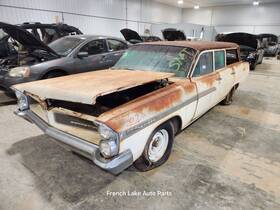
( Model: BONNEVILL ), ( Part Type: Driver Grille Emblem ), ( Conditions Options: Lh, Chrome ), ( Genuine Oem: Yes ), ( Ipn: 104.gm2s63 ), ( Manufacturer Warranty: 90 Day )
Review PONTIAC Driver Left Chrome Grille Emblem fits BONNEVILLE 1963
The **Pontiac 104.GM2S63 Driver Left Grille Emblem for a 1963 Bonneville** is a meticulously crafted, high-quality reproduction emblem that captures the iconic elegance and bold character of one of General Motors most legendary muscle cars. This emblem, designed to fit the driver-side grille of a 1963 Pontiac Bonneville, is a precise replica of the original chrome-plated badge that adorned the front fascia of these powerful, mid-century American sedans. Crafted from durable, die-stamped metal, the emblem features the distinctive **Pontiac arrowhead logo** a symbol synonymous with performance, innovation, and timeless automotive design flanked by the model-specific "Bonneville" script, which exudes a sense of luxury and speed. The arrowhead itself is sharply detailed, with crisp, angular lines that reflect the aggressive yet refined styling of the era, while the "Bonneville" lettering is bold and slightly slanted, evoking the car s reputation as a high-performance flagship. This emblem is not merely a decorative piece but a nod to automotive heritage, ensuring that any restored or restored-in-progress 1963 Bonneville maintains its authentic aesthetic while standing out with a touch of authenticity. Perfect for collectors, enthusiasts, or restorers seeking to complete their vehicle s originality, this emblem is built to withstand the test of time, resisting tarnish and corrosion with its polished chrome finish. Whether installed on a showroom-ready classic or a project car in progress, the **104.GM2S63 Driver Left Grille Emblem** is a small yet significant detail that elevates the overall presentation, ensuring that every glance at the grille delivers a sense of pride in the craftsmanship of both the car and its accessories.
### **Pros and Cons of Buying a 1963 Pontiac Bonneville with a Driver-Side Left Grille Emblem (Pontiac 104.GM2S63)**
#### **Pros**
1. **Classic American Muscle Car Heritage**
The 1963 Pontiac Bonneville is a legendary model from the golden age of American muscle cars. It represents a well-engineered, high-performance vehicle with a strong following among enthusiasts. The Bonneville was known for its smooth V8 engines, refined handling, and luxurious appointments, making it a favorite among both performance and comfort-oriented buyers.
2. **Strong Engine Options**
The 1963 Bonneville was available with a variety of powerful engines, including the **389 cubic inch V8 (285 hp)** and the more aggressive **421 cubic inch V8 (348 hp in the Super Duty package)**. These engines are known for their durability and potential for modifications, making them attractive to restorers and performance seekers. The 389 engine, in particular, is highly sought after for its balance of power and reliability.
3. **Distinctive and Collectible Features**
The driver-side left grille emblem (Pontiac 104.GM2S63) is a rare and desirable variation, often associated with the **Super Duty** or **Executive** trim levels. This emblem adds to the car s exclusivity and collectible value, as such modifications were not standard on every Bonneville. Original examples with this emblem are particularly prized by collectors.
4. **Refined Ride and Comfort**
Unlike some of its contemporaries, the Bonneville was designed with a focus on comfort and smoothness. It featured a well-suspended ride, luxurious interior materials (such as vinyl or leather upholstery, depending on the trim), and a spacious cabin. This makes it a more enjoyable daily driver compared to some raw muscle cars of the era.
5. **Potential for Restoration and Investment**
The 1963 Bonneville is a classic that appreciates in value, especially when well-preserved or restored. A car with an original driver-side left grille emblem could be a strong investment for collectors. Restoring one to concours-level condition could yield significant returns, particularly if the car is kept in pristine shape.
6. **Strong Community and Support**
The Bonneville has a dedicated fanbase, with aftermarket parts, restoration guides, and clubs (such as the **Pontiac Bonneville Club of America**) readily available. This makes it easier to find help with repairs, modifications, or restoration projects.
7. **Aesthetic Appeal**
The Bonneville s design is iconic, with its long hood, sleek lines, and distinctive grille. The driver-side left grille emblem adds a unique touch, making it stand out from standard models. Its appearance is timeless, and it holds up well in comparison to other muscle cars from the era.
---
#### **Cons**
1. **High Maintenance and Restoration Costs**
Like all classic cars, a 1963 Bonneville requires significant maintenance, especially if it is not already in excellent condition. Rust, worn suspension components, and outdated electrical systems are common issues. Restoration can be expensive, particularly if the car is missing or requires replacement parts. The cost of labor and specialized knowledge (such as vintage Pontiac expertise) can add up quickly.
2. **Potential for Rust and Structural Issues**
Many 1963 Bonnevilles, especially those from the Midwest or areas with harsh winters, suffer from rust. The floor pans, rocker panels, and frame rails are common weak points. A thorough inspection (including an undercarriage check) is essential to avoid buying a car with extensive rust damage that could require costly repairs or even structural reinforcement.
3. **Engine and Drivetrain Wear**
The V8 engines in the Bonneville are robust, but they are not immune to wear. Issues such as leaking head gaskets, worn valve train components, or rod bearing failure can occur, particularly in high-mileage examples. The automatic transmissions (common in this era) can also be finicky and may require rebuilding. A pre-purchase inspection by a trusted mechanic is critical.
4. **Limited Modern Comfort and Safety Features**
The Bonneville lacks modern safety features such as airbags, stability control, or modern braking systems. Driving one today requires a higher level of skill and caution, especially on highways or in heavy traffic. The lack of modern amenities (such as power steering, cruise control, or modern climate control) can also make it less convenient for daily use.
5. **Fuel and Insurance Costs**
Classic cars often incur higher insurance premiums due to their value and specialized parts. Additionally, fuel efficiency is poor by modern standards expect around **10-12 MPG** in city driving with a V8 engine. Running costs, including oil changes, spark plugs, and other maintenance, can add up over time.
6. **Availability of Parts and Mechanics**
While Pontiac parts are more accessible than they were decades ago, finding a specialist who understands the nuances of a 1963 Bonneville can be challenging. Some parts may require sourcing from collectors or specialty suppliers, which can be time-consuming and expensive. Mechanics familiar with classic cars may charge premium rates for their expertise.
7. **Driving Experience Limitations**
The Bonneville is not as nimble or responsive as modern cars. The steering is heavier, the brakes are less powerful, and the ride can be less precise on tight roads. For drivers accustomed to modern vehicles, the driving experience may feel outdated and less forgiving.
8. **Potential for Overpayment**
The Bonneville s popularity means that some buyers may overpay for a car that is not in perfect condition. It s easy to get carried away by nostalgia or the allure of a rare emblem, leading to financial regret if the car requires extensive work. Always compare the car s condition to similar listings and consult with experts before making an offer.
---
### **Conclusion**
The 1963 Pontiac Bonneville with a driver-side left grille emblem is a remarkable classic car that offers a blend of performance, luxury, and collectible appeal. It is a fantastic choice for enthusiasts who appreciate the golden age of American muscle cars, are willing to invest time and money into its care, and seek a project or a showpiece. The rarity of the emblem adds to its desirability, making it a standout example in the Bonneville lineup.
However, the cons cannot be ignored. A 1963 Bonneville is not a plug-and-play classic; it demands attention to rust, engine health, and mechanical reliability. Restoration or maintenance can be costly, and the car s limitations in terms of modern safety and convenience may deter some buyers. It is best suited for those who are passionate about classic cars, have the resources to restore or maintain it properly, and enjoy the process of bringing a piece of automotive history back to life.
---
### **Recommendation**
If you are considering purchasing this Bonneville, follow these steps to ensure you make a wise investment:1. **Thorough Inspection**
Have the car inspected by a **trusted classic car mechanic** with experience in Pontiacs. Pay special attention to:- Rust (especially the floor pans, rocker panels, and frame).
- Engine condition (compression test, valve train inspection, and head gasket integrity).
- Transmission and drivetrain (automatic transmissions often need rebuilding).
- Electrical system (common issues include faulty switches, wiring, and starter problems).
- Suspension and steering components (worn bushings, ball joints, or shocks).
2. **Documentation and Provenance**
Verify the car s history with a **detailed bill of sale, service records, or restoration logs**. If possible, obtain a **Pontiac Heritage Club appraisal** or consult with a classic car appraiser to assess its value. The presence of the driver-side left grille emblem should be documented to confirm authenticity.
3. **Budget for Restoration or Maintenance**
Set a realistic budget that accounts for **immediate repairs, long-term maintenance, and potential restoration costs**. Factor in insurance, storage, and parts. A well-preserved example may require **$10,000 $30,000 ** for full restoration, while a project car could cost significantly more if major work is needed.
4. **Consider Your Goals**
- If you want a **daily driver**, ensure the car is in excellent condition and meets modern safety standards (e.g., roll cage, modern brakes, or at least a well-maintained original setup).
- If you are buying for **collection or restoration**, prioritize originality, rarity, and potential appreciation in value.
- If you are a **project car enthusiast**, be prepared for a long-term commitment and enjoy the process of bringing the Bonneville back to its former glory.
5. **Buy from a Reputable Seller**
Purchase from a **trusted dealer, auction (such as Barrett-Jackson or RM Sotheby s), or a seller with a proven track record**. Avoid private sellers without proper documentation unless you are confident in the car s condition.
6. **Join the Community**
Connect with **Pontiac Bonneville clubs, forums (such as MuscleCarForum or ClassicCars.com), and local meetups**. These communities can provide valuable advice, part sources, and support throughout your ownership journey.
---
### **Final Verdict**
The 1963 Pontiac Bonneville with a driver-side left grille emblem is a **fantastic classic car for the right buyer** someone who values history, is prepared for the challenges of ownership, and enjoys the rewards of
Details:
Steering Columns: All steering columns sold will come without airbags. Axles Assemblies: Axle assemblies will not include any brake hardware: Calipers/Rotors/Shoes/Pads/Hoses/Brake Lines. Exclusions from Limited Warranty. Please remember you are purchasing OEM Original Equipment Manufacturer USED parts.
Dispute Resolution. Brokered/non-stocked parts ordered specifically for your request. Labor and Related Costs: This limited warranty does not cover labor, diagnostics, towing, rental car costs, or any other expenses related to the installation, testing, removal, replacement of a part. The part is not a custom body cut.
The part is not a special order. Any bulbs or wiring still attached to the,Tail Light,assemblies are not warranted part of the listing in any way. Convenience Items: Items attached to or included with the part, such as wiring, bulbs, sockets, sensors, coils, distributor caps, spark plugs, water pumps, filters, brake parts, backing plates, hoses, vacuum lines, u-joints, timing belts/components, similar items, are considered convenience items and not covered by this limited warranty. All parts sold as is except expressly provided below.
No expedited shipping is available. Limited Warranty Coverage. Bumper assemblies DO NOT come with Upper Grilles unless stated. Bolt-on items.
Check the Q A section for Business Support. Transmissions: Transmissions will come with the torque converter and all sensors.
The part has not been altered, modified, disassembled, overheated or damaged. Normal wear and tear from the previous use is expected. Sensors, valve covers, timing covers attached to core short/long blocks are not covered. Scope: This limited warranty covers defects in the purchased part that render it inoperable or defective within 90-day period.
The part has not been installed.
part #: bonnevill prices
- $28.85-$94.95
specifications grilexte:
- for models: Bonneville
- for makes: Pontiac
- for years: 1963
- model: Bonnevill
- part type: Driver Grille Emblem
- conditions options: Lh, Chrome
- genuine oem: Yes
- ipn: 104.gm2s63
- manufacturer warranty: 90 Day
offer grilexte:
- started: April 23, 2026
- quantity: 1
- availability: In Stock
- options: Ship-to-home
- sold: 0
shipping grilexte:
- cost: $0.00
- type: Fixed
- transit: 2-5 Days
- class: Standard
- service: Standard
seller grilexte:
- city: Annandale, Minnesota
- rating: 99.6%
- # reviews: 46055
payments grilexte:
- credit card: Mastercard
- other
- wallet: Google-pay
returns grilexte:
- paid by: Buyer
- time: 30 Days
- policy: Returns Accepted
general grilexte:
- Car Truck Parts Accessories > Exterior Parts Accessories > Grilles
- condition: Used
Pontiac BONNEVILL Is Similar To:
- 100003981 General Motors Nos Pontiac Sunbird Front Chrome Grille Right Hand (40% similar) Fits the passenger side of 1979 pontiac sunbed, show quality never installed grill. Brand new gm grille headlight bezel trim, old stock...(April 7th, 2018)
- 100003982 General Motors Nos Pontiac Sunbird Front Chrome Grille Left Hand (39% similar) Brand new gm grille headlight bezel trim, old stock. Fits the drivers side of 1979 pontiac sunbed, show quality never installed grill...(April 7th, 2018)
- 10000722 General Motors Pontiac Sunbird Front Chrome Grille Right Hand Side (41.3% similar) All other pins and tabs are in tact. Although this is a brand new gm grille, old stock, it had something stacked on while in storage and one of the plastic tabs broke, see last photo. Fits the passenger side of 1978 pontiac sunbed, nice grill...(April 7th, 2018)
- 10002936 General Motors Pontiac Phoenix Front Grille Nos Gm (29.2% similar) ...(May 3rd, 2018)
- 10009432 Pontiac Nos Lh Radiator Grille Headlight Bezel Sunbird (39.2% similar) Norse new old replacement stock parts are original vintage aftermarket. Also, these parts may have been in storage for years and could be dusty, greasy or surface rust, spider webs, etc. It is possible this part fits other vehicles. Fitment: 1980 pontiac nos condition - some scuffs from rubbing ...(April 18th, 2018)
- 10023546 Gm Nos Pontiac Phoenix Rh Radiator Grille Panel Filler Car (34.2% similar) P/N comes a shown never mounted or installed. Not in mint shape but very good driver quality condition. Comes as pictured. Great for your restoration needs...(March 5th, 2019)
- 2063 Doan Nos Pontiac Left Rear Motor Mount Kaiser With Trans (32.9% similar) New old stock pontiac left rear passenger car motor mount with hydra-mastic Kaiser trans...(July 29th, 2018)
- 2064 Doan Nos Pontiac Right Rear Motor Mount Kaiser With Trans (29.9% similar) Pontiac right rear passenger car motor mount with hydra-mastic Kaiser trans...(August 19th, 2018)
- 25527644 Gm Nos Pontiac Bonneville Front Grille (28.8% similar) Nos pontiac bonneville front grille...(January 14th, 2019)
- 360719 General Motors Nos Chevrolet Chevette Pontiac Acadian Grille Oem Gm (25.2% similar) For the left hand side, drivers side. Brand new gm grille old stock...(June 5th, 2018)
- 4320-050-681l Goodmark Grille Driver Side Pontiac Firebird 615343741444 (33.3% similar) It should be refused. You should open and inspect your merchandise carefully before signing the delivery receipt. Minor modifications such as elongating mounting holes, adding shims, etc, are normal and may be necessary when you installing the product. Trunk lids - good mark are full double-wall ...(July 1st, 2018)