NASH 3131061 Statesman Grille
fits year: 1951.
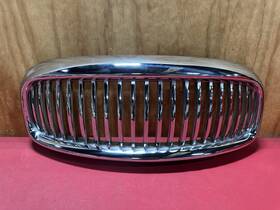
( Brand: Nash ), ( Manufacturer Part Number: 3131061 ), ( Color: Silver ), ( Material: Steel, Chrome ), ( Vintage Part: Yes ), ( Placement On Vehicle: Front ), ( Type: Grille ), ( Oe/oem Part Number: Nice 1951 Nash Statesman Chrome Grille 3131061 ), ( Style: Tubular ), ( Features: Easy Installation, Durable ), ( Universal Fitment: No ), ( Finish: Chrome ), ( Country Of Origin: United States )
Review NASH Nice Statesman Chrome Grille fits 1951
The Nash **3131061 1951 Statesman Grille** is a meticulously crafted, vintage-inspired automotive emblem that captures the timeless elegance and bold character of the classic American automobile era. Designed to evoke the spirit of the early 1950s, this grille is a striking representation of Nash s refined engineering and stylistic flair, blending functional artistry with a touch of old-world sophistication. Crafted from high-quality, durable materials, the grille features a bold, horizontal chrome bar configuration, reminiscent of the iconic front-end design of the original 1951 Nash Statesman. The centerpiece is a prominent, vertically oriented Nash logo, etched with sharp, clean lines that exude confidence and heritage, while the surrounding chrome bars extend symmetrically outward, creating a sense of balance and grandeur. This grille is not merely an aesthetic accent but a functional statement piece, designed to enhance the visual appeal of any classic or custom vehicle while maintaining structural integrity. Whether installed on a meticulously restored 1951 Statesman or a modern hot rod paying homage to the golden age of American automotive design, the Nash grille adds an unmistakable touch of vintage allure. Its polished chrome finish reflects light with a lustrous sheen, ensuring it remains a standout feature under any lighting condition. Perfect for enthusiasts seeking to honor the legacy of Nash Motors, this grille is a testament to the brand s legacy of innovation and style, making it an essential accessory for those who appreciate the beauty of automotive history.
### Pros and Cons of Buying a Nash 3131061 (1951 Statesman Grille)
#### **Pros:**1. **Classic American Design** The 1951 Nash Statesman is a well-regarded example of mid-century automotive styling, featuring a distinctive grille, sleek bodywork, and a timeless aesthetic that appeals to collectors and enthusiasts. Its design reflects the optimism and innovation of the post-war era.
2. **Reliability for Its Era** Nash automobiles, particularly those from the early 1950s, were known for their solid construction and relatively straightforward mechanical designs. The Statesman was built on a sturdy chassis, and while it may not match modern standards, it was dependable for its time.
3. **Potential for Restoration** If you are interested in classic car restoration, this Nash could be a rewarding project. The Statesman grille and overall bodywork are iconic, and with proper care, it could become a showpiece. Many parts are still available through specialty suppliers or Nash enthusiast groups.
4. **Lower Purchase Price** Compared to more rare or highly sought-after classics, a 1951 Nash Statesman grille car is relatively affordable, especially if it is in rough condition. This makes it accessible to buyers on a budget who are willing to invest time and effort into restoration.
5. **Nostalgia and Collectibility** For those who appreciate automotive history, owning a piece of Nash s legacy particularly one with a distinctive grille can be emotionally satisfying. The Statesman was part of a line that predated the merger with Hudson to form American Motors (AMC), making it a unique artifact of early American automotive innovation.
6. **Modification Potential** While not as common as modern vehicles, the Statesman s mechanical layout allows for some modifications, such as engine swaps (e.g., installing a more powerful inline-six or V8) or suspension upgrades. This can enhance performance or comfort without drastically altering its classic appearance.
7. **Community and Support** Nash enthusiasts are active in online forums, clubs, and restoration groups. This means you can find advice, parts, and camaraderie from others who share your interest, which can be invaluable when tackling a project car.
---
#### **Cons:**1. **High Maintenance and Restoration Costs** Classic cars like the 1951 Nash Statesman require significant upkeep. Rust, worn-out suspension components, outdated electrical systems, and aging interiors can all contribute to high repair bills. If you lack mechanical experience or access to specialized tools, restoration costs can quickly escalate.
2. **Parts Availability** While some parts are still available, others may be difficult or expensive to source. Original Nash components, especially for less common models like the Statesman grille car, can be scarce. You may need to rely on aftermarket parts, which might not always fit perfectly or match the original specifications.
3. **Driving Experience** Modern driving standards are vastly different from those of the 1950s. The Statesman lacks modern safety features (e.g., airbags, ABS, stability control), and its braking, steering, and suspension systems are not as responsive or efficient as contemporary vehicles. Long drives or highway use can be uncomfortable or even dangerous without extensive modifications.
4. **Fuel Efficiency and Performance** The Nash Statesman was not designed with fuel efficiency in mind. Its inline-six engine (typically a 232 or 257 cubic inch unit) is thirsty by today s standards, and the car s weight and aerodynamics make it inefficient. Performance is also limited compared to modern vehicles, with slower acceleration and higher operating costs.
5. **Insurance Challenges** Insuring a classic car like this can be costly, especially if it is not properly documented as a collector s item. Standard auto insurance policies may not cover restoration projects adequately, and specialized classic car insurance is often required, which can be expensive.
6. **Time-Consuming Projects** Restoring a 1951 Nash to showroom condition is a labor-intensive process. It may take years to complete, depending on your schedule, budget, and access to resources. This is not a car you can simply buy and drive; it requires patience and dedication.
7. **Depreciation Risk** Unlike modern vehicles, classic cars do not hold their value consistently. The market for Nash automobiles is niche, and while some models appreciate over time, others may depreciate if they are not well-maintained or if interest in the brand wanes. There is no guarantee that your investment will yield a return.
8. **Limited Practicality** For daily use, the Statesman grille car is impractical. Its size, comfort, and mechanical reliability are not suited to modern lifestyles. If you need a reliable, low-maintenance vehicle for commuting or errands, this is not the right choice.
---
### **Conclusion:**Buying a 1951 Nash 3131061 Statesman grille car is a decision that hinges on your priorities. If you are passionate about classic automobiles, enjoy restoration projects, and are prepared for the challenges of maintaining and repairing an older vehicle, this car can be a deeply rewarding purchase. It offers a tangible connection to automotive history and the satisfaction of bringing a piece of the past back to life.
However, if you prioritize practicality, modern safety and efficiency, or a vehicle that requires minimal upkeep, this purchase is not advisable. The costs, time, and effort involved in restoring and maintaining a 1951 Nash far outweigh the benefits for most casual buyers. It is a commitment that demands both financial resources and a genuine love for classic cars.
---
### **Recommendation:**- **Buy it if:** You are an experienced restorer with access to tools, parts, and mechanical knowledge; you have the time and budget to dedicate to a long-term project; and you genuinely appreciate the aesthetic and historical value of the Nash Statesman. In this case, the car could become a prized possession and a source of personal fulfillment.
- **Do not buy it if:** You are looking for a practical, low-maintenance vehicle; you lack experience with classic car restoration; or you cannot commit to the significant time and financial investment required to keep it in good condition. In such cases, consider alternatives like a modern classic (e.g., a restored 1970s muscle car or a well-maintained vintage vehicle with fewer restoration hurdles).
For those on the fence, it may be wise to first attend classic car shows, join Nash enthusiast groups, or consult with experienced restorers to fully understand the scope of the project before making a purchase.
Details:
part #: 3131061 prices
- $89.99-$575.00
specifications grilexte:
- brand: Nash
- mpn: 3131061
- color: Silver
- material: Steel, Chrome
- vintage part: Yes
- placement on vehicle: Front
- type: Grille
- oe/oem part number: Nice 1951 Nash Statesman Chrome Grille 3131061
- style: Tubular
- features: Easy Installation, Durable
- universal fitment: No
- finish: Chrome
- country of origin: United States
seller grilexte:
- # reviews: 6824
- rating: 100.0%
- city: Ono, Pennsylvania
shipping grilexte:
- cost: $42.36
- class: Economy
- type: Fixed
- service: Economy
- transit: 4-8 Days
payments grilexte:
- credit card: Diners-club
- other
- wallet: Google-pay
general grilexte:
- condition: Used
- Car Truck Parts Accessories > Exterior Parts Accessories > Grilles
offer grilexte:
- availability: In Stock
- started: February 27, 2026
- options: Ship-to-home
- sold: 0
- quantity: 1
- best offers: True
returns grilexte:
- time: 30 Days
- paid by: Seller
- policy: Returns Accepted
Nash 3131061 Is Similar To:
- 3138438 Nash Oem 1954 Statesman (51.9% similar) Vintage and used items are sold as is. In that case, please refer to shipping details for your approximate date. Chrome is cloudy in and has some pitting between bars. Grille has 6 mounting holes. Questions please see photos, zoom is used to get every detail on some which may make the item appear ...(May 1st, 2017)
- 7 7351 1 Nash Metropolitan Bar Grille (45.8% similar) Chrome bar grille for 55 metropolitan. Very clean, no tarnish...(August 12th, 2018)
- Nash 104.am2n47 Chrome Upper Grille Fits 1947 1350051 (48.5% similar) Convenience items: items attached to or included with the part, such as wiring, bulbs, sockets, sensors, coils, distributor caps, spark plugs, water pumps, filters, brake parts, backing plates, hoses, vacuum lines, u-joints, timing belts/components, similar items, are considered convenience items ...(May 5th, 2026)