SUBARU 6920-45-520 Brat Front Grille Emblem
fits make: Subaru. year: 1977–1981.
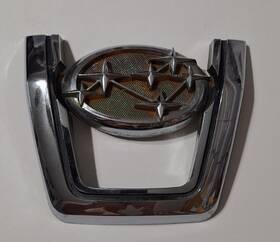
( Manufacturer Part Number: 6920-45-520 ), ( Type: Grille ), ( Material: Plastic ), ( Features: Easy Installation ), ( Vintage Part: Yes ), ( Country Of Origin: United States ), ( Placement On Vehicle: Front )
Review SUBARU Brat Front Grille Emblem fits 1977–1981
The **Subaru 6920-45-520 1977 1981 Brat Front Grille Emblem (1978 1980)** is a meticulously crafted, high-quality reproduction emblem that captures the iconic styling of Subaru s legendary Brat series during its most distinctive years. Designed to replicate the original factory emblem with precision, this piece embodies the bold, rugged character of the Brat a compact, performance-oriented vehicle that became a cult favorite among enthusiasts for its unique blend of Japanese engineering and American-inspired flair. The emblem features the Subaru "Brat" logo, a stylized, angular script that boldly proclaims the model s identity, paired with the iconic "Subaru" badge in a sleek, retro font. Crafted from durable, corrosion-resistant materials, this emblem is built to withstand the elements, ensuring it remains vibrant and sharp even after years of exposure to the sun and weather. The design includes subtle details such as the correct spacing, font weight, and placement of the text, mirroring the exact specifications of the 1978 through 1980 Brat models, which underwent minor refinements during this period. Whether installed on a restored Brat or used as a decorative accent for a Subaru collector s display, this emblem adds an authentic touch of nostalgia, celebrating the Brat s place in automotive history as a vehicle that defied conventions with its compact size, turbocharged power, and fearless spirit. Perfect for purists and enthusiasts alike, it serves as both a functional and decorative centerpiece, bridging the gap between classic automotive design and modern appreciation for Subaru s boldest creations.
### Pros and Cons of Buying a Subaru 6920-45-520 (1977 1981) Brat Front Grille Emblem (1978 1980)
#### **Pros**
1. **Classic and Unique Design**
The Brat is a cult-favorite Subaru model known for its distinctive, rugged, and off-road-oriented styling. The front grille emblem (commonly found on 1978 1980 models) adds to its vintage charm, making it stand out among other Subarus from the era. This makes it a desirable collectible for enthusiasts.
2. **Off-Road Capability**
The Brat was designed with off-roading in mind, featuring a higher ground clearance, a beefier suspension, and a more rugged exterior compared to Subaru s sedan models. The 1977 1981 Brat models were built on the same platform as the Subaru RX-4 and RX-5 but with a more utilitarian approach, making them capable of handling rough terrain.
3. **Reliability of the Base Engine**
The Brat typically came with Subaru s 1.6-liter or 1.8-liter horizontally opposed (flat-four) engine, which was known for its simplicity and durability. While not powerful by modern standards, these engines were robust and could last for hundreds of thousands of miles with proper maintenance. The flat-four design also made repairs relatively straightforward.
4. **Affordability and Availability of Parts**
As a discontinued model, parts for the Brat are still relatively accessible, especially for common components like the engine, transmission, and suspension. While some aftermarket parts may require hunting, the community of Subaru enthusiasts ensures that most essential pieces are available. This makes ownership more cost-effective compared to rare or highly specialized vehicles.
5. **Modding Potential**
The Brat s simple design and off-road focus make it a great candidate for modifications. Enthusiasts can easily upgrade the suspension, exhaust, or engine for improved performance or off-road capability. The lack of modern electronics also means that modifications are often more straightforward than on newer vehicles.
6. **Nostalgia and Community**
The Brat has a dedicated following of owners and enthusiasts who appreciate its unique place in Subaru s history. Joining this community can provide support, shared knowledge, and a sense of camaraderie. Local meetups and online forums (such as Subaru-specific groups) often revolve around Brat ownership, making it easier to find like-minded individuals.
7. **Lower Running Costs**
Compared to modern vehicles, the Brat s simplicity translates to lower running costs. Basic maintenance like oil changes, brake jobs, and suspension work are often cheaper due to the availability of parts and the lack of complex electronics. Fuel efficiency, while not exceptional by today s standards, was reasonable for its time.
---
#### **Cons**
1. **Aging and Wear**
Vehicles from the late 1970s and early 1980s are inherently older, which means they may show signs of wear and tear. Rust, particularly in the frame, suspension components, and undercarriage, is a common issue, especially if the vehicle was exposed to harsh weather or poor storage conditions. A thorough inspection is critical to avoid purchasing a car with structural problems.
2. **Reliability Concerns Over Time**
While the engines were durable, older vehicles are more likely to develop issues related to aging components such as belts, hoses, seals, and electrical systems. The Brat s suspension and drivetrain may also require attention, particularly if the vehicle has not been well-maintained. Rust can compromise the integrity of the frame, leading to costly repairs.
3. **Limited Modern Safety Features**
The Brat lacks modern safety features such as airbags, anti-lock braking systems (ABS), or electronic stability control. The driving experience is more basic, with less protection in the event of a collision. This can be a concern for owners who prioritize safety, especially if the vehicle is used for daily driving.
4. **Performance Limitations**
The Brat s engines were not designed for high performance. The 1.6L and 1.8L flat-fours produce modest power outputs (around 80 90 horsepower), which may feel underpowered compared to modern vehicles. While modifications can improve performance, the base engine is not capable of handling significant upgrades without risking reliability issues.
5. **Fuel Economy and Emissions**
The Brat s fuel economy is not impressive by today s standards, especially when compared to modern hybrids or efficient gasoline engines. Additionally, older vehicles may not meet modern emissions standards, which could complicate registration or insurance in some regions. Some areas have restrictions on older vehicles, particularly those without modern emissions controls.
6. **Maintenance and Expertise Required**
Owning an older vehicle often requires a higher level of mechanical knowledge or access to someone who can perform repairs. Subaru s older models are not as common in dealerships, so finding a mechanic familiar with the Brat s quirks can be challenging. This may lead to higher repair costs if specialized labor is needed.
7. **Resale Value and Practicality**
The Brat is not a practical daily driver for most people due to its limited space, outdated features, and lack of modern amenities. Its resale value is also likely to be low compared to more modern or popular classic cars. If the primary goal is to own a collectible, this may not be a significant drawback, but for those seeking a functional vehicle, the Brat may fall short.
8. **Environmental and Legal Considerations**
Depending on the region, older vehicles may face restrictions on registration, insurance, or even roadworthiness testing. Some areas have phased out support for vehicles without modern safety or emissions equipment, making ownership more difficult. It s important to research local regulations before purchasing.
---
### **Conclusion**
Buying a Subaru Brat from the 1977 1981 era with a 1978 1980 front grille emblem is a decision that appeals to enthusiasts who value nostalgia, off-road capability, and the challenge of maintaining a classic vehicle. The Brat offers a unique blend of ruggedness and simplicity, making it a rewarding project for those who enjoy working on their cars and appreciate its place in automotive history.
However, the cons cannot be ignored. The vehicle s age means it will require diligent maintenance, and its limitations in terms of performance, safety, and practicality make it less suitable for everyday use. Rust, reliability issues, and the cost of parts or labor can add up quickly, potentially outweighing the enjoyment of ownership for some buyers.
For the right person someone who is passionate about classic cars, enjoys mechanical work, and is prepared for the challenges of owning an older vehicle the Brat can be an incredibly satisfying and fun project. For others, the practical and financial drawbacks may make it a less appealing choice.
---
### **Recommendation**
If you are considering purchasing a Subaru Brat, follow these steps to maximize your chances of a positive experience:1. **Thoroughly Inspect the Vehicle**
Before buying, have a trusted mechanic or Subaru specialist perform a detailed inspection. Pay close attention to the frame for rust, the suspension for wear, and the engine for signs of leaks or damage. A pre-purchase inspection is essential to avoid costly surprises.
2. **Check Maintenance Records**
Request full maintenance records to ensure the vehicle has been properly cared for. Regular oil changes, belt replacements, and suspension checks are critical for longevity. A well-documented history increases the likelihood that the Brat will remain reliable.
3. **Test Drive and Assess Condition**
Take the vehicle for a test drive to evaluate its handling, acceleration, and overall condition. Listen for unusual noises, check for smooth shifting, and ensure all lights and electrical components work. A Brat with a history of off-road use may have more wear, so assess whether the vehicle s condition aligns with its intended purpose.
4. **Budget for Repairs and Modifications**
Be prepared to invest in repairs, especially if the vehicle has rust or other issues. Set aside funds for potential suspension work, engine maintenance, and cosmetic restoration. If the Brat is a project car, factor in the time and cost required to bring it to your desired condition.
5. **Join the Subaru Community**
Connect with Subaru enthusiasts, particularly those who specialize in Brat models. Online forums, local clubs, and social media groups can provide valuable advice, parts recommendations, and support. This community can also help you find reliable mechanics and resources.
6. **Consider Your Goals**
Ask yourself whether you want the Brat as a daily driver, a weekend project, or a collector s item. If it s for daily use, weigh the practical limitations against the enjoyment of ownership. If it s a project car, ensure you have the time and resources to dedicate to it.
7. **Purchase from a Reputable Seller**
Buy from a seller with a good reputation, whether a private individual or a dealer specializing in classic Subarus. Avoid vehicles with unclear histories or those that have been poorly maintained. A seller who provides transparency and documentation is a strong indicator of a quality purchase.
---
### **Final Verdict**
The Subaru Brat is a fantastic choice for those who appreciate classic, off-road-oriented vehicles and are willing to put in the effort to maintain and enjoy it. However, it is not a vehicle for everyone. If you are prepared for the challenges, enjoy working on cars, and value its unique character, the Brat can be an incredibly rewarding addition to your collection. For those seeking a practical, modern, or low-maintenance vehicle, the Brat s limitations may make it a less ideal choice. Ultimately,
Details:
1977-1981 SUBARU BRAT.
part #: 692045520 price
- $149.00
specifications grilexte:
- for makes: Subaru
- for years: 1977-1981
- mpn: 6920-45-520
- type: Grille
- material: Plastic
- features: Easy Installation
- vintage part: Yes
- country of origin: United States
- placement on vehicle: Front
returns grilexte:
- time: 30 Days
- policy: Returns Accepted
- paid by: Seller
shipping grilexte:
- service: USPS Ground Advantage
- type: Fixed
- carrier: USPS
- cost: $6.75
- transit: 5-11 Days
- class: Standard
payments grilexte:
- wallet: Google-pay
- credit card: Diners-club
- other
offer grilexte:
- availability: In Stock
- started: February 6, 2026
- quantity: 1
- options: Ship-to-home
- sold: 0
seller grilexte:
- rating: 100.0%
- city: San Antonio, Texas
- # reviews: 7857
general grilexte:
- condition: Used
- Car Truck Parts Accessories > Exterior Parts Accessories > Grilles
Subaru 6920-45-520 Is Similar To:
- Subaru Ff1 Grill Emblem Early 1969 70 Nos New Oem Factory Vintage 6920 01021 (38.9% similar) ...(November 25th, 2016)
- 91065fc130wg Subaru Original Japan Jdm Radiator Grille Forester (30.5% similar) Brought from japan. Pictures posted are of actual item and not sample photos. In any case, there are signs of use. But do not forget that the goods are used. Chips, scratches, scuffs authentic. Good condition...(January 27th, 2021)
- Karparts360 Mlx-she6728-98mq-0-cl360a50 For Subaru Crosstrek 2018 2019 Grille Molding Capa 91123fl100 Su1210105 (26.8% similar) Maintenance parts for subaru cross trek. Direct fit replacement. Oem number: 91123FL100 part slink SU1210105. Supplier title: grille molding 16-18 subaru cross trek Capra. Capra certified...(October 21st, 2023)
- Subaru 91121sc000 2010 Forester Grille Oem 09 10 (55.2% similar) We typically ship same day or next day, depending on the time of purchase. For small mechanical parts, the replacement will have same or lower mileage. Check and compare your vehicles options and/or part numbers...(February 3rd, 2024)
- Subaru 91121fg100 2011-2014 Impreza Wrx Front Upper Grille Assembly Oem (53.2% similar) All tabs are in good condition, ready to install. The grille does not include the mounting clips. It is in decent condition with no cracks or broken pieces. This grille assembly came off of a 2011 Rx and includes the entire mesh grille, surround, emblem, subaru emblem mounting tabs. You are buying...(August 2nd, 2024)
- Idenuona W28012 Carbon Fiber Front Upper Grill Grille For Subaru Impreza Wrx Sti 2006-2007 Mint (28.2% similar) Part #: adenine W28012 for sale...(August 4th, 2024)
- Subaru 91121xc00a Oem Grille For Ascent Assy Chrm W-emblem Pitted (40.6% similar) Oem grille for ascent assay charm w-emblem pitted, notes: assay,charm,w-emblem,pitted, mileage: 50,000 miles...(August 6th, 2024)
- Subaru 91121sg000 2014 2015 2016 Forester Front Upper Grille Chrome Trim Oem (47.2% similar) 2014 2015 2016 subaru forester front upper grille chrome trim 91121SG000 oem. Shipped with USPS ground advantage. Condition is used...(August 6th, 2024)
- Subaru 91121fl511 2021 Crosstrek Black Silver Grille Oem (41.3% similar) Free shipping only applies to items you keep. Please disregard other fitment charts they may not be correct. Model: cross trek. 2021 subaru cross trek black / silver grille 91121FL511 oem. Quality, assured parts all are quality tested inspected. Easy to find parts that don't require a mechanics ...(August 7th, 2024)
- Subaru 91121al00a Ft15-ft17 Legacy Grille With Chrome Surround Oem (38.8% similar) We typically ship same day or next day, depending on the time of purchase. For small mechanical parts, the replacement will have same or lower mileage. Check and compare your vehicles options and/or part numbers...(August 7th, 2024)
- Subaru 104-59903a Grille Center Lower Bumper Mounted Fits 14-16 Forester 321898 (42.2% similar) Shipping most shipping charges are listed in the section on item listing. USA shipping costs listed in the offer are for to lower 48 states only...(August 8th, 2024)