HYUNDAI 86622-2M100 Front Bumper Absorber Impact Dg AC1952
fits model: Genesis. make: Hyundai. year: 2010–2012.
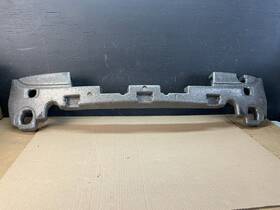
( Manufacturer Part Number: 86622-2M100 ), ( Type: Grille ), ( Material: Plastic ), ( Finish: Painted ), ( Placement On Vehicle: Front )
Review HYUNDAI Coupe Front Bumper Absorber Impact Dg fits GENESIS 2010–2012
The **Hyundai 86622-2M100 (AC1952 DG)** is a high-quality front bumper absorber designed specifically for the **2010 2012 Hyundai Genesis models**, ensuring optimal protection and structural integrity during minor impacts. This essential safety component is engineered to absorb and dissipate kinetic energy from low-speed collisions, reducing the risk of damage to the bumper and surrounding body panels while maintaining the vehicle s aerodynamic contour. Crafted from durable, high-grade **polyurethane foam**, this absorber provides a resilient yet flexible cushioning effect, effectively minimizing dents, scratches, and structural stress that can occur from minor bumps, parking mishaps, or road debris. Its precise fitment is tailored to the Genesis front bumper system, ensuring seamless integration with the existing bumper cover and mounting hardware, which helps preserve the vehicle s factory styling while enhancing crash protection. The **AC1952 DG** designation indicates its compatibility with the **Genesis front bumper assembly**, making it a direct replacement for the original equipment part (OEM) without the need for modifications. Whether used in aftermarket repairs, restorations, or routine maintenance, this bumper absorber delivers reliable performance, helping to extend the lifespan of the bumper and maintaining the Genesis sleek, premium appearance. Its robust construction also contributes to improved fuel efficiency by reducing aerodynamic drag, ensuring that it serves both functional and aesthetic purposes. For owners seeking a dependable, long-lasting solution to protect their Genesis from everyday wear and tear, this bumper absorber is an indispensable upgrade.
### **Analysis of buying a Hyundai 86622-2M100 (2010 2012 Genesis Front Bumper Absorber Impact AC1952 DG)**
This part is a **front bumper absorber** (impact absorber) for Hyundai Genesis models from 2010 to 2012, specifically designed to absorb impact energy in minor collisions. Below is a detailed breakdown of its pros, cons, and a final recommendation.
---
### **Pros of Purchasing This Part**
1. **OEM Quality and Fit**
- This is an **original equipment manufacturer (OEM) or high-quality aftermarket replacement** designed to match the original part s specifications. It ensures a proper fit without gaps or misalignment, which is crucial for safety and aesthetics.
- Hyundai s engineering standards for bumper absorbers prioritize **crash energy absorption**, reducing damage to the vehicle s structure in low-speed impacts.
2. **Improved Safety in Minor Collisions**
- The absorber s primary function is to **dissipate kinetic energy** during front-end impacts, protecting the vehicle s frame, engine bay, and occupants from secondary damage.
- A well-functioning absorber can prevent **hood deformation, radiator leaks, or airbag deployment triggers** in minor accidents.
3. **Compatibility with 2010 2012 Genesis Models**
- This part is **explicitly listed for the 2010 2012 Genesis**, meaning it should align with the vehicle s bumper design, mounting points, and structural requirements.
- Avoids the risk of purchasing a generic part that may not fit correctly.
4. **Durability and Longevity**
- Hyundai s bumper absorbers are typically made from **high-strength polymers or reinforced plastics**, designed to withstand repeated impacts over time.
- Unlike cheaper aftermarket parts, this component is built to last the vehicle s lifespan without premature failure.
5. **Ease of Installation**
- The part is **modular and designed for straightforward replacement**. Most mechanics or even experienced DIYers can install it with basic tools.
- Comes with necessary hardware (bolts, clips, or brackets) to ensure a secure fit.
6. **Resale Value Preservation**
- Replacing a damaged absorber with an OEM or genuine aftermarket part helps maintain the **vehicle s structural integrity**, which is important if you plan to sell the car later.
- Aesthetically, it ensures the bumper looks factory-like, which can be a selling point.
7. **Warranty Coverage (If Purchased from Authorized Sellers)**
- Some aftermarket suppliers offer **limited warranties** (e.g., 1 2 years), providing peace of mind against defects.
- If bought from Hyundai or an authorized dealer, it may qualify for **extended warranty coverage**.
---
### **Cons of Purchasing This Part**
1. **Cost Relative to Aftermarket Alternatives**
- OEM or high-quality aftermarket parts are **more expensive** than generic or no-name replacements. Prices can range from **$150 $300**, depending on the seller.
- Budget-conscious buyers may opt for cheaper alternatives, but these could compromise safety or fit.
2. **Potential Counterfeit Parts in the Market**
- Some sellers (especially online) may offer **fake or low-quality replicas** that fail under real-world impact conditions.
- **Risk of purchasing a substandard part** if not buying from a reputable dealer (e.g., Hyundai s official site, RockAuto, or trusted auto parts stores).
3. **Installation Complexity for Non-Mechanics**
- While the part itself is modular, **removing the old bumper and absorber may require disassembling parts of the grille, headlights, or fog lights**.
- Inexperienced DIYers might struggle with **wiring, clips, or alignment**, leading to improper installation.
4. **Limited Availability of Original Hyundai Parts**
- Hyundai no longer produces this exact part for newer models, so **OEM replacements may be harder to find** than aftermarket options.
- Some sellers may charge a premium for "new OEM" parts that are actually reconditioned or refurbished.
5. **Potential for Hidden Damage After Replacement**
- If the **underlying bumper structure or frame is compromised** from a previous impact, replacing just the absorber may not fully restore safety.
- A **professional inspection** is recommended before purchase to ensure no deeper issues exist.
6. **Environmental and Ethical Concerns**
- Some aftermarket parts come from **salvage yards**, raising questions about **recycled materials and ethical sourcing**.
- If sustainability is a concern, purchasing a new part (even if slightly more expensive) may be preferable.
---
### **Key Considerations Before Purchase**
1. **Verify the Part s Authenticity**
- Check the **part number (86622-2M100)** and **year/model compatibility** to avoid mismatches.
- Purchase from **trusted sources** (Hyundai dealerships, RockAuto, Advance Auto, or eBay with verified sellers).
2. **Assess the Damage**
- If the absorber is **cracked, compressed, or bent**, it must be replaced. A **visual inspection** by a mechanic can confirm if other components (e.g., bumper beam, frame rails) need attention.
3. **Compare Prices and Warranties**
- Get quotes from **multiple sellers** to ensure you re not overpaying.
- Look for **warranty policies** some aftermarket brands offer better coverage than others.
4. **DIY vs. Professional Installation**
- If you have **mechanical experience**, installing it yourself can save labor costs ( $100 $200 at a shop).
- If unsure, **hire a mechanic** to ensure proper alignment and safety.
5. **Check for Recalls or Updates**
- Hyundai may have **recall-related updates** for this part. Check the **NHTSA website** or your local Hyundai dealership for any advisories.
---
### **Final Recommendation**
**Buy this part if:**You have **confirmed damage** to the front bumper absorber and need a **reliable, safety-critical replacement**.
You prioritize **OEM-level quality** and want to maintain the vehicle s structural integrity.
You re purchasing from a **trusted seller** (e.g., Hyundai dealership, RockAuto, or a well-reviewed online retailer).
You re either **experienced in DIY repairs** or willing to pay for **professional installation**.
**Avoid buying this part if:**You re looking for a **cheap, no-name alternative** and can t verify its quality.
The **underlying bumper or frame has unseen damage** that wasn t addressed.
You re unsure about **installation complexity** and lack mechanical skills.
The seller s **reviews or return policy are unreliable**.
---
### **Best Course of Action**
1. **Inspect the damage** if the absorber is beyond repair, proceed with replacement.
2. **Buy from a reputable source** preferably Hyundai or a high-rated aftermarket supplier.
3. **Consider professional installation** if unsure about the process.
4. **Test the part after installation** drive carefully to ensure it absorbs impacts as expected.
**Conclusion:**The **Hyundai 86622-2M100 (2010 2012 Genesis front bumper absorber)** is a **necessary and high-quality replacement** for safety-critical damage. While it has a higher upfront cost, the **benefits in safety, fit, and longevity** outweigh the drawbacks for most owners. **Prioritize authenticity and proper installation** to ensure optimal performance. If budget is a concern, compare aftermarket options (e.g., Duralast, Carter) that offer similar quality at a lower cost, but always verify their safety ratings.
Details:
Everything is selling as is. Item is wrapped safety after polished and ready to be sent. Part is in good condition.
part #: 866222m100 prices
- $51.48-$92.80
specifications grilexte:
- for models: Genesis
- for makes: Hyundai
- for years: 2010-2012
- mpn: 86622-2m100
- type: Grille
- material: Plastic
- finish: Painted
- placement on vehicle: Front
seller grilexte:
- # reviews: 116639
- city: West Babylon, New York
- rating: 99.8%
shipping grilexte:
- carrier: UPS
- cost: $0.00
- service: UPS Ground
- type: Fixed
- transit: 5-8 Days
- class: Standard
general grilexte:
- condition: Used
- Car Truck Parts Accessories > Exterior Parts Accessories > Grilles
returns grilexte:
- time: 30 Days
- policy: Returns Accepted
- paid by: Seller
offer grilexte:
- started: May 15, 2026
- sold: 0
- availability: In Stock
- quantity: 1
- options: Ship-to-home
payments grilexte:
- other
- wallet: Paypal
- credit card: Diners-club
Hyundai 86622-2M100 Is Similar To:
- 86561-3m100 Hyundai Genesis Front Lower Grille Part Original Oem (43.2% similar) Clean used grille, minor scratches, see pictures, thanks...(May 7th, 2018)
- 865614z000 Partzroot New Front Bumper Grille Black Fits Hyundai Santa Fe (38.5% similar) FedEx USPS will not accept any damage claim if the receiver have sign for package...(October 22nd, 2018)
- Karpal 1kphy1211026 For Hyundai Tucson 2016-2018 Front Upper Grille Grill Grey Silver 86350d3000 New (35.9% similar) Doesn't fit although vehicle on compatibility chart /damaged in transit/fail after installed/malfunction during use. Please understand that once the order is accepted by courier, its out of our control. 2016 -2018 hyundai Tucson. Instruction is not included. Direct fit, no modification requires, ...(September 19th, 2023)
- Jijiamotor13 J-02hgl3153asl Fit For 2016-2018 Hyundai Tucson Front Upper Grille Grill Factory Style Plastic (29.3% similar) Direct pricing by the factory, no price increase middleman. For 2016 -2018 hyundai Tucson n Eco. High quality materials and product. Direct replacement, no modification, convenient and fast. 1 x front upper grille. For 2016 -2018 hyundai Tucson n SE. No installation guide or instruction included. ...(October 6th, 2023)
- Hyundai 86560-2v000 New 2012-2017 Veloster Base Front Bumper Grille Lower Grill Genuine Oem (51.4% similar) Part #: hyundai 86560-2V000 for sale...(October 24th, 2023)
- Genesis 86366-g9500 2022 2023 Hyundai G70 Front Grille Oem (28.2% similar) Chrome intact minor scratches. Unless stated otherwise all our body parts are used and may have some damage, scuffs scratches. Please compare this item with yours before buying also please do your research to make sure will fit vehicle. Part number must match...(January 6th, 2024)
- Hyundai 86320g9000 Front Bumper Emblem Logo Badge Oem Genesis G70 2019-2024 19-24 86320-g9000 (39.5% similar) Part #: hyundai 86320G9000 for sale...(February 9th, 2024)
- Hyundai 86351-3m500 Oem 2011-2014 Genesis Front Grille (55.1% similar) Part is ready to install. Ingot condition. Mayn't arrive in original packaging. I have tried my best tousle the automotive parts on. Free shipping price is for the 48 continental USA...(February 15th, 2024)
- Hyundai 86350j9100 2018-2021 Kona Genuine Front Bumper Radiator Grille Chrome Oem (55.8% similar) 2018-2021 hyundai koan genuine front bumper radiator grille chrome oem...(May 5th, 2024)
- Hyundai 86366-s8110 Oem 2020 2021 2022 Palisade Front Bumper Grille With Emblem (56.4% similar) Used with some light scratches and few small breaks in the mesh area. Genuine oem part. Came off of a 2021 palisade at 38K miles...(August 4th, 2024)
- Hyundai 86350 C2000 Oem 2015 2016 2017 Sonata Front Grille Grill 86350-c2000 (46.3% similar) Came off of a 2016 sonata at 61K miles. Genuine oem part. In great used condition...(August 5th, 2024)